


Golanv Circle
Wednesday Works
Introduction to Ceremonial Magick
by
Practitioner Hernandez
Summoning spirits and bending reality - welcome to the world of ceremonial magick.
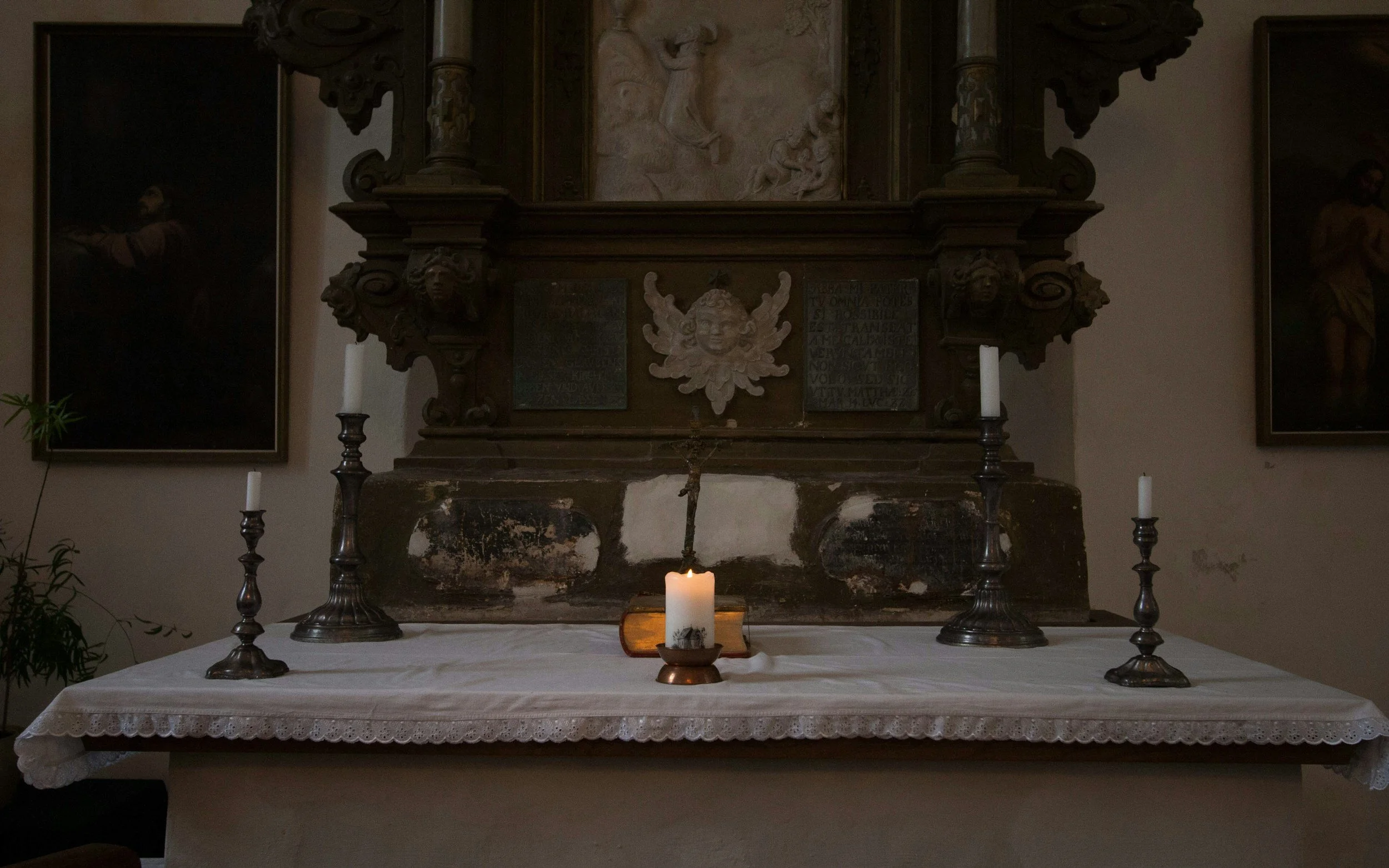
With a long and varied history, this look at Ceremonial Magick will begin at the cusp of the Edwardian era with the Hermetic Order of the Golden Dawn.
Founded in England in 1887, the Golden Dawn was the education arm of the Rosae Rubae et Aurae Crucis, or R.R et A.C. The founders were Freemasons, William Wynn Westcott, Samuel Lydell “Macgregor” Mathers and William Robert Woodman. Having been members of an esoteric Freemasonry order called the Societas Rosicruciana in Anglia, they adopted many similarities including the grade order. But while SRIA only admitted Christian Freemasons, the Golden Dawn admitted both women and non Christians.
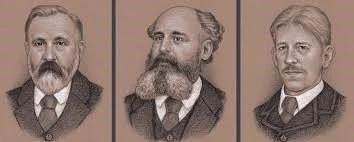
Westcott, Mathews, Woodman
The first order of the Golden Dawn taught Elemental theory and practice, Hermetic Qabalah, Hermetic Tarot, astrology and geomancy. The second order taught scrying, astral travel and alchemy.
The central premise of this magickal society and others that followed is the concept that each human being is overseen by a incorporeal entity Abramelin calls the Holy Guardian Angel, or Divine Genius. Each person has a purpose, or True Will. Through ritual, meditation and astral travel, this purpose can be discovered with an alchemical marriage of the lower conscious states
(subconscious and conscious) to the Super conscious,or Higher Will.
Magickians today still use many of the rituals initially developed for use by students of the Golden Dawn. Examples include:
-The Lesser Banishing Ritual of the Pentagram (LBRP)
-The Banishing Ritual of the Hexagram (BRH)
-The Ritual of the Middle Pillar
The first two rituals are commonly used before beginning any Magickal endeavor, as a thought and energy clearing for the Magickian.
The Middle Pillar exercise is a chakra balancing that is practiced daily. Western Esoteric Magickians have their own chakra system of 5 Qabalah based energy centers, which differs from the Hatha Yoga system of 7.
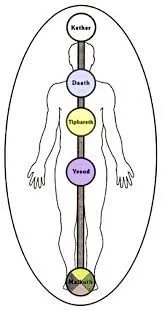
Middle Pillar of Magick
The fourth and final influential practice from the Golden Dawn is the Greater Ritual of the Pentagram, a powerful protective and purifying ceremony. The Greater Ritual of the Pentagram is often conducted for banishing and invoking specific elemental energies, serving as a cornerstone for ceremonial protection and purification.
While the Golden Dawn system endures, it does not exactly flourish in the US. Occult Magickians Chic and Sandra Tabatha Cicero helped Dr. Israel Regardie (a Golden Dawn initiate ) to establish a legitimate initiatory branch of the HOGD in the early 1980’s. It continues today and a link to the website is provided below.
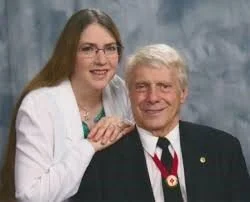
Chic and Sandra Tabatha Cicero
Another tradition of Ceremonial Magick is Thelema. Thelema is a western esoteric occult spiritual philosophy founded in the early 1900’s by Aleister Crowley. Thelema is non dogmatic and is centered on the idea of uniting oneself with higher powers, understanding and embracing one's True Will, their ultimate purpose, and place in life. The central holy book of Thelema is Liber Al Vel Legis, or The Book of the Law. Crowley said that he dictated the book from an entity called Aiwass in Cairo in 1904.
As a member the Golden Dawn, Crowley was familiar with the rituals and grade structure. He adapted the foundations of the Golden Dawn system for Thelema, though many of the rituals and initiatory structures were greatly changed .
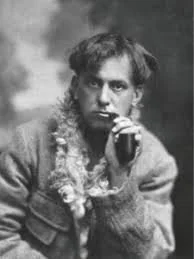
Aleister Crowley
Today Thelema is taught and practiced worldwide, with a number of branches, schools, lodges and offshoots. The two main Thelemic organizations are the Ordo Templi Orientis (O. T.O) and the College of Thelema. The college of Thelema was founded by Phyllis Seckler. She is co-founder ( with James A. Eshelman) the Temple of Thelema, and later formed of the Temple of the Silver Star. For 25 years she published the bi-annual Thelemic journal In the Continuum. Seckler served as a master of 418 Lodge of O.T.O. in California from its inception in 1979 until her death.
The O.TO was founded in 1902 by Carl Kellner and Theodor Reuss, two high-ranking Freemasons. They approached Aleister Crowley in 1912 . He was initiated into the Order in 1914 and was designated its Outer Head of the Order. He rewrote the structure to integrate Thelemic cosmology, philosophy and practices. The first US Lodge was established is Pasadena in 1935, and has since grown to become a prominent international organization, with a focus on the study and practice of ceremonial magick within the framework.
At the heart of the O.T.O is the truly stunning Ecclesia Gnostica Catholica, or the Gnostic Catholic Church, which uses Crowley's Liber XV, the Gnostic Mass, as its central religious service. O.T.O lodges in the US are dedicated to public performance of the Mass typically on a monthly or twice monthly basis. Anyone wishing to experience a moving and truly Occult ritual, should consider attending a Gnostic Mass at an O. T. O Lodge. Links to US locations are provided below.
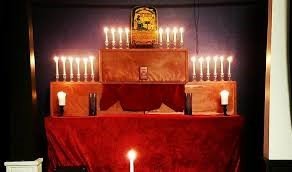
Altar prepared for Gnostic Mass
Western Esoteric traditions of Ceremonial Magick have a rich history and are a worthwhile pursuit. For those interested in exploring the depths of spiritual practice, ceremonial magick offers a gateway into a world of ancient rituals and profound symbolism.
Links
Hermetic Order of the Golden Dawn (US)
https://hermeticgoldendawn.org
List of O.T.O lodges in the US
https://oto-usa.org/locations/
Book Recommendations
The Essential Golden Dawn
by Chic and Sandra Tabatha Cicero
The Magick of Aleister Crowley: A Handbook of the Rituals of Thelema by Lon Milo Duquette
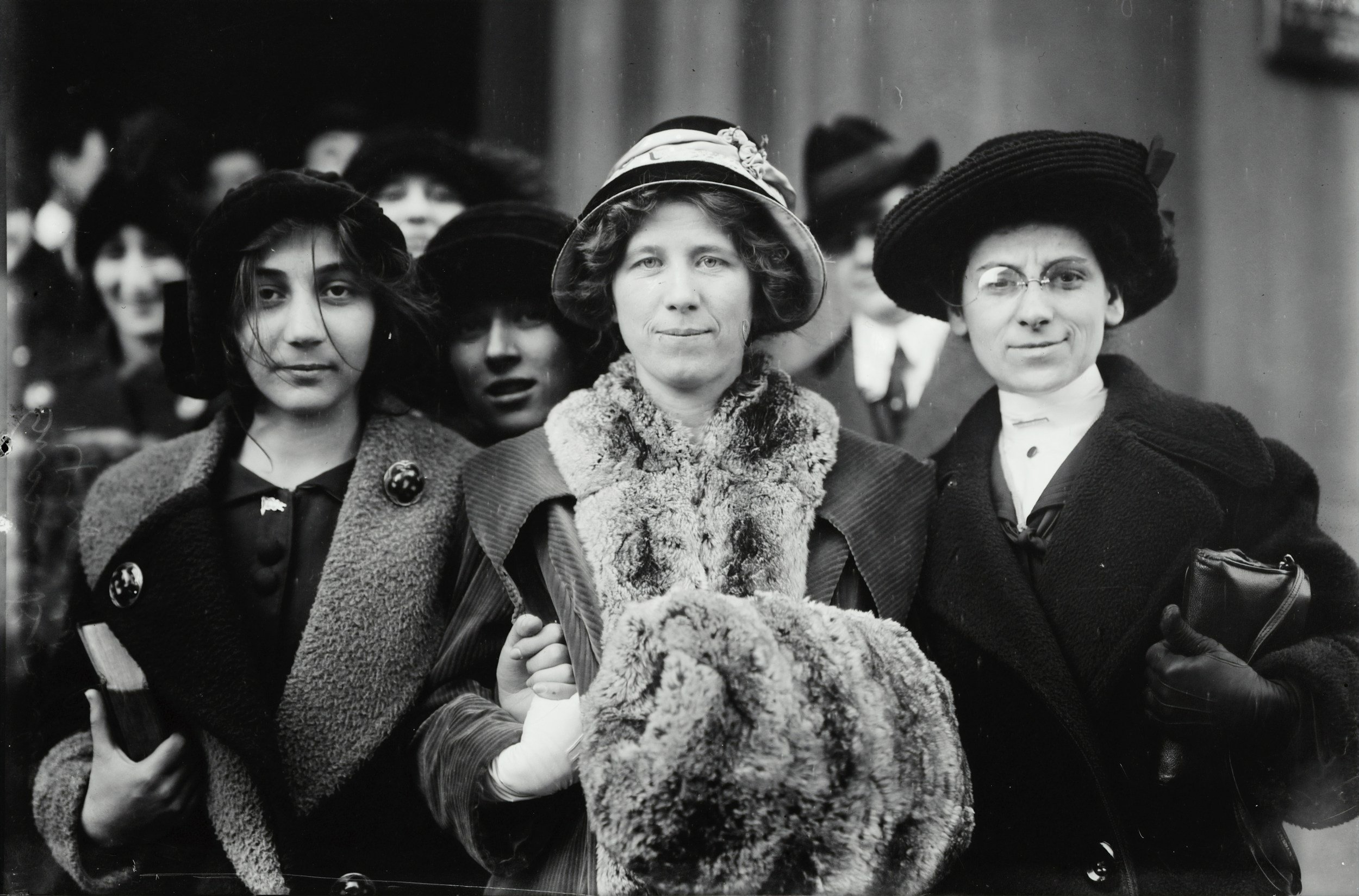
Feminists
in
Occult Magickal
Traditions
an Article by Practitioner Hernandiez
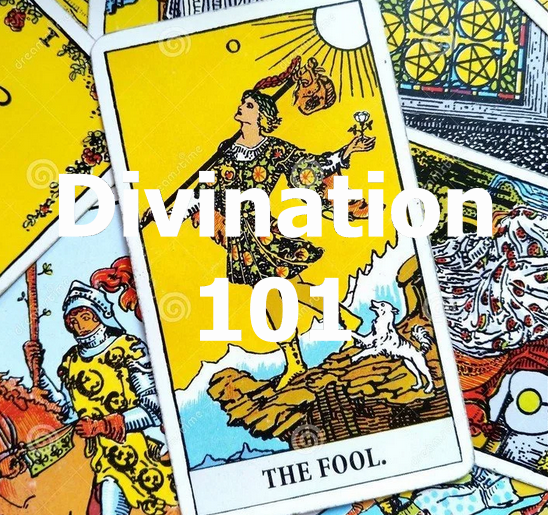
Hermetic Tarot
by
Practitioner Hernandez
The Hermetic system of Tarot has long been a powerful tool for divination and spiritual exploration. Many practitioners of ceremonial magick have incorporated the use of the Hermetic Tarot as part of their spiritual practice, finding its symbolism and archetypes to hold deep significance in their magical workings.
Most of you will be familiar with the Rider-Waite-Smith tarot system. It was devised by Arthur Edward Waite. It is based on the information he learned from his time in the Golden Dawn. The excellent illustrations are by Pamela Colman-Smith, who was also a Golden Dawn initiate.
Both being under oath to the order not to divulge secrets, they did not publish the formula of the system, but relied heavily on the symbolism of the artwork to direct tarot practitioners as to their meanings (as with many Little White Books, I feel the one that accompanies this deck is virtually useless!)
While the artwork and symbols on the cards try their best to convey the meaning, they can be easily misinterpreted.
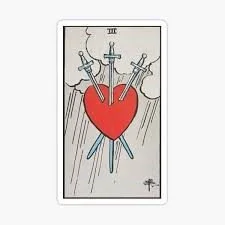
Let’s jump right out of the gate and look at the 3 of Swords. This is a big heart with 3 nasty looking swords plunged in it. Commonly it is interpreted as “heartbreak” and it’s easy to see why! However, a closer look using the assigned attributes reveals something a little different :
The heart represents the playful Zodiacal sign of Libra, which is ruled by Venus. The 3 corresponds to the Qabalistic Sephirah called Binah, which is ruled by Saturn. This Sephirah is referred to as the Supernal Mother and can be a bit of hard taskmaster. The Swords are the element Air.
An alternate interpretation might be that fun loving Libra wants to play, but Mom said no, you have to stay home and do chores.
The 22 cards of the major arcana each correspond to a Hebrew letter, an element, planetary or zodiacal sign and a Qabalistic path.
Using as an example card 0, the Fool:
Hebrew Letter:Aleph
Elemental attribute: Air
Tree of Life: links Chokmah “Wisdom”
to Kether “Crown”

Each card of the minor arcana except the Aces contain a zodiacal, an elemental and a Qabalistic attribute
Using as an example the Two of Wands:
Zodiacal attribute: Mars in Aries ( the first decante of Aries )
Qabalistic attribute: Chokmah of Fire
Elemental attribute: Fire

Tarot as a System of Transformational Growth
For early modern Hermeticists, the Tarot was more than a divination tool. It was a complete Magickal system of transformation through the use of astrological designation, Qabbalistic paths and deep symbolism.
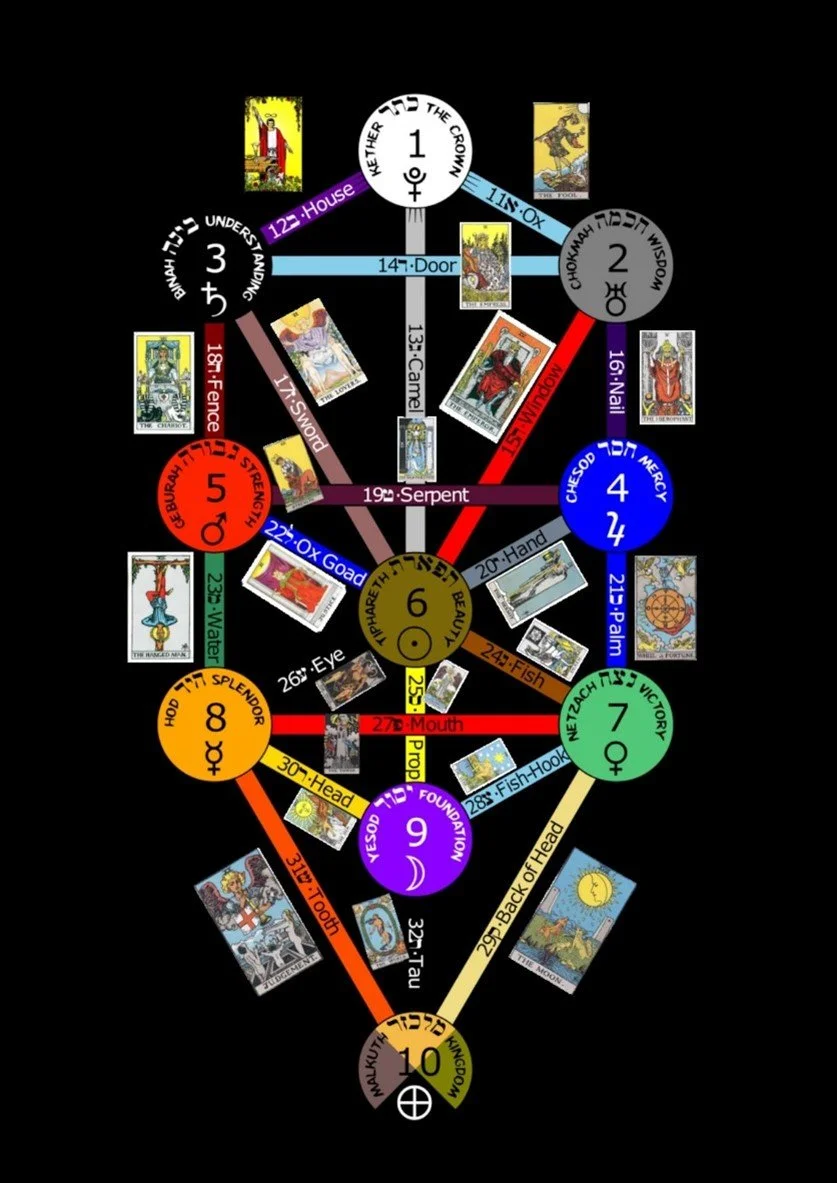
When the 22 Trumps are placed along the Tree of Life, a story begins to emerge:
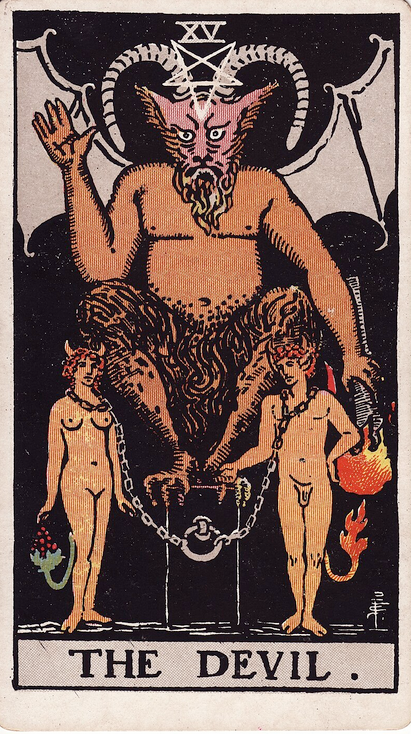
As aspirants climb the tree ( using methods such as astral travel), spiritual development occurs. Note the similarities between card 15 and card 6:
The figures in Key 15 are bound, albeit loosely to a figure resembling Baphomet. The zodiacal attribute being Capricorn, we might infer that the figures are bound to commerce and authority and external ego, the attributes of a restrictive and materialistic nature. The messages, urges and impulses that are received by the subconscious self as represented by the female figure, and the conscious self as represented by the male figure are those of the lower will, or ego.
Higher on the Tree we find Key 6. The zodiacal attribute is Gemini, the opposite of Capricorn. Here we appear to have the same two figures. They are now free from their bonds. They are receiving a blessing or message from a large angel. The receptive female figure looks toward the angel as the internal recipient, while the male looks toward the female to receive the message and act. She stands next to the pomegranate tree of understanding, and he next to a tree of Yods, action and fire.

This card represents working of True Will through the higher self or super conscious, the ultimate goal of the Magickian: to understand and interpret the messages received from the Holy Guardian Angel, Genius or higher self and put them into action in the physical world. This process facilitates the alignment of one's individual will with the divine will and the realization of one's true purpose in life.
Paul Foster Case , an influential figure in the Western Esoteric traditions and the founder of the Builders of the Adytum, is known for his extensive studies and teachings. His work on the Occult Tarot has had a lasting impact on ceremonial magick, influencing generations of practitioners.
In “Tarot Revelations”, PF Case devised a series of tableaus for each major card. Meant to be studied for 7 days, the card placements can chart the spiritual progress of the Magickian in the movements from card to card. This is a truly wonderful and helpful method for moving past a stuck place in the spiritual journey. The method is straightforward. An idea is presented and then the tableau is studied for a few moments. That’s it! But the power of the symbols on the cards continues to work in the subconscious. It’s simple yet powerful work.
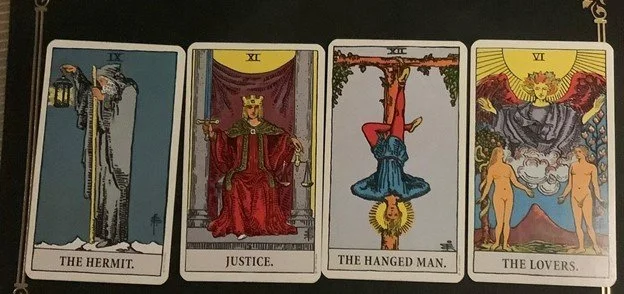
A Tarot Tableau for a working of “The Star” card 17
Whether using tarot as a tool for divination, or as a Magickal system in and of itself, the symbolism and archetypal energies within the cards can guide the practitioner towards deeper insights and understanding of their spiritual path.
Suggested Reading
“Tarot Revelations” by Paul Foster Case
“Liber Theta” available as a free .pdf download from the College of Thelema
https://thelema.org/downloads/cot_monograph_eshleman_LiberT.pdf
The Hermetic Qabalah
by
Practitioner Hernandez
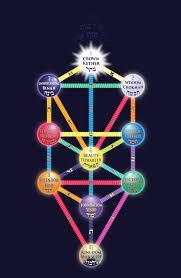
The Hermetic Qabalah acts as a foundational practice in ceremonial magick, providing a framework for understanding the universe and the self. It serves primarily as a reality map of the astral planes of existence.
Qabalah itself is a very complex subject. I’m sure it would be possible to spend the rest of this turn presenting it and still not really scratch the surface of the topic. But for the sake of brevity, let’s touch on its role in ceremonial magick.
Although the origin of the subject is of much discussion and dispute, the image used today of the Tree of Life probably dates back to 13th century Castile. It’s based on another document called “The Zohar”, the origination of which is also shrouded in mystery.
Adopted by esoteric Freemason’s and then 18th century Hermeticists, the map eventually found its way to the Hermetic Order of the Golden Dawn. They shaped it into a practical and comprehensive system that integrates elements of astrology, alchemy, and various esoteric traditions. To differentiate from the Jewish Kabbalah, they called it the “mystical Qabalah”, using the spelling variant with a Q.
The Tree of Life contains ten spheres, or sephiroth, each representing a different aspect of the divine and the universe's creation. The Tree is divided in 4 sections, or worlds. Starting at the top: Atziluth, the world of pre manifestation and origin, Briah, the world of spiritual creation, Yetzirah, the world of creativity and formation, and Assiah, the world of action and manifestation. The lower 8 Sephirah have zodiacal correspondences, and each serve as a pathway for the practitioner to understand and interact with different aspects of spiritual and universal forces.
There are many correspondences for each Sephira. What follows is a very basic explanation:
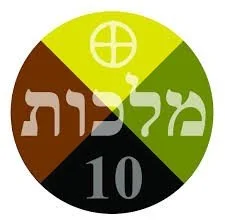
Sephira 10 Malkuth
Known as “Kingdom”, this is the material world in which we all live. The symbol is Earth

Sephira 9 Yesod
Known as “Foundation” , this is the Astral or reflective world. Think of it like a giant mirror. The symbol is the Moon
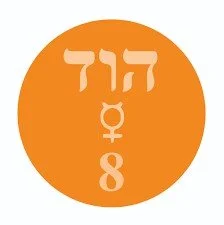
Sephira 8 Hod
Known as “Splendor”, this is the rational , logical world. The symbol is Mercury
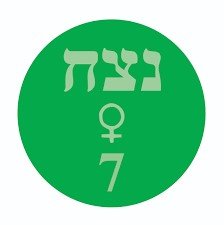
Sephira 7 Netzach
Known as “Victory” this is the world of love and beauty. The symbol is Venus
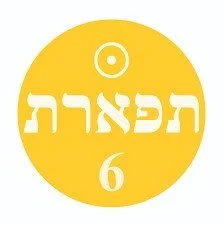
Sephira 6 Tipharet
Known as “Beauty” this is the world of True Will and angelic presence. The symbol is the Sun
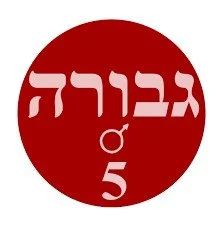
Sephira 5 Geburah
Known as “Strength” this is the world of action. The symbol is Mars
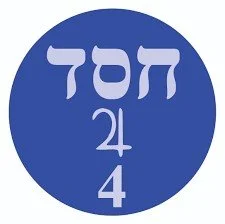
Sephira 4 Chesed
( also called Gedullah)
Known as “Mercy” this is the world of kindness and compassion. The symbol is Jupiter
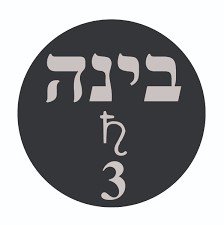
Sephira 3 Binah
Known as “Understanding”
This is the world of the Supernal Mother, or greater knowledge. The symbol is Saturn
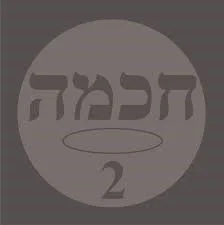
Sephira 2 Chokmah
Known as “Wisdom”
This is the world of the Supernal Father. Originally there was no zodiacal attribute, but newer versions of the Tree have Uranus as the symbolic planet
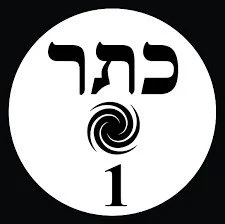
Sephira 1 Kether
Known as “Crown”
This is the connection to the universal divine.
Kether also has no zodiacal attribute, but some place Pluto here.
Magick in the Astral Planes
Ceremonial Magickians typically use the Tree of Life in Astral operations. Some Magickians will begin with Pathworking. These are long meditations , usually guided, that begin in Malkuth. From there, the 32nd Path called Tau is walked. It eventually leads to the astral temple of Yesod. Once you have opened that temple, rituals can be performed astrally in that temple. After that, all the paths can be worked, and the astral temples opened for future use.
Let’s suppose a Magickian decides they would like to take on a writing project. Since Mercury is the planet of communication, a Hod working would be the natural choice. After performing the appropriate banishing rituals, a Hod invoking ritual could be performed using the sigil for Mercury and the color Orange. After entering the Astral realm, you could charge a talisman with the proper symbols, or petition Michael, the Archangel of Hod for assistance. After obtaining the necessary guidance and assistance, the Magickian can then proceed to infuse their writing with the qualities and influences associated with Hod, enhancing the effectiveness of their work and achieving their desired communication goals.
It's important to remember that ceremonial magick is a structured and disciplined practice. It requires careful adherence to tried and true methods for success. A Magickal diary is a very useful and necessary tool for recording the method and result of ceremonial Magick procedures.
The potential for Magick using the Hermetic Qabalah is infinite. Ceremonial magick, based on the principles of the Hermetic Qabalah, offers endless opportunities for exploration and practice. With dedication and discipline, practitioners can delve into the vast potentials of ceremonial magick, unlocking new avenues for exploration and practice within the rich tradition of Hermeticism

Wednesday GO1
General - JOurnal - Book of Shadows
SUBMISSION 1: GO1 WED GROUP MAGICK CHECK POINT (Due by Sunday)
Please answer the following questions in ONE SENTENCE or more for each.
What have you decided to bring to your Group’s Work that is related to your enneagram?
What Plant or Animal Ally are you calling upon?
What is the Group’s chosen method to perform the work? (Ribbon, Burn Bowl, Jar, Candle, Environment, etc)
EMAIL
Three Circles Medicine & Magick™
Please utilize the above email link
IF NO BUTTON IS PRESENT
to receive full Submission credit.
SUBMISSION 2: GO1 WED CEREMONIAL MAGICK LESSONS (Due by Sunday)
Please give feedback on each Lesson in ONE SENTENCE or more for each.
EMAIL
Three Circles Medicine & Magick™
Please utilize the above email link
IF NO BUTTON IS PRESENT
to receive full Submission credit.
Lessons are subject to change without notification to Practitioners.
Late Submissions receive no credit
without prior approval.